Study schedule and revision timetable
Share your exam date and available hours—or attach your syllabus—and get a structured week-by-week or day-by-day revision timetable with spaced reviews and self-checks.
Free to start · No credit card needed
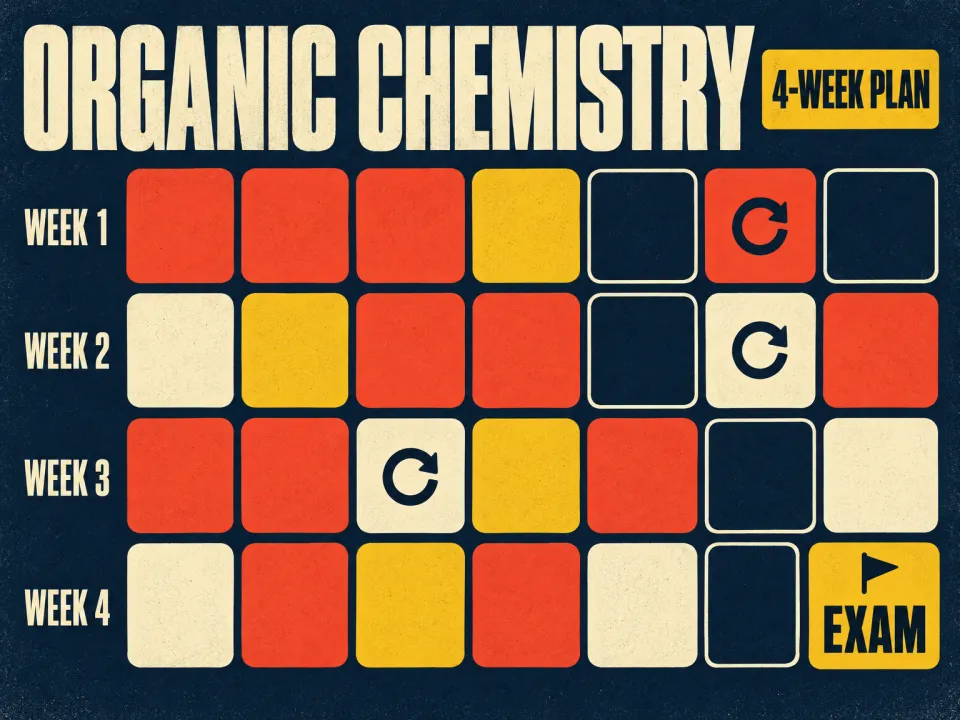
What you get
- A row for each week or day
- What to study, and what to do with it: read, make notes, solve problems, explain it aloud.
- Reviews at growing gaps
- Each part comes back about a day, a week, and three weeks after you first study it.
- A self-test for every row
- One concrete check you can do with the book closed to verify you are ready to move on.
Why spaced schedules stick
Most revision calendars list chapters next to dates without saying how to practice or when to revisit earlier material.
This schedule pairs every session with an active task, spaces review sessions at expanding intervals, and reserves the final stretch for timed practice on weak spots.
How it works
Pick a topic or add your files
Start from any topic, or add a PDF, lecture video, article, or your own notes. When you include files, Winda builds the output directly from them.
Winda handles the format
No prompt engineering needed—the structure is built in. Choose whichever model you prefer: Claude, GPT, Gemini, or DeepSeek.
Keep, refine, and practice
Everything saves right in your project alongside your files and chats. Ask for edits in chat, or turn the same material into flashcards and quizzes.
Questions
Your exam or topic and how much time you have—a date or number of weeks. Without a timeframe, Winda defaults to four weeks.
Yes. Add your syllabus or lecture files to a project and mention them; the schedule splits the material along its real structure.
Yes. It is a document in your project. Edit it directly, or ask in the chat for a change, and only that part is rewritten.
More skills
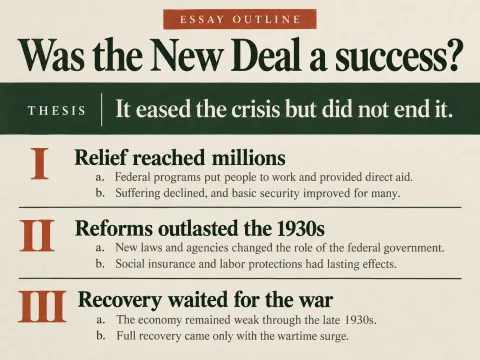 Essay outlineA thesis, the points that support it in order, the evidence for each and the strongest objection.
 Character analysisWhat one character wants, how they act, how they change and what they stand for in the work.
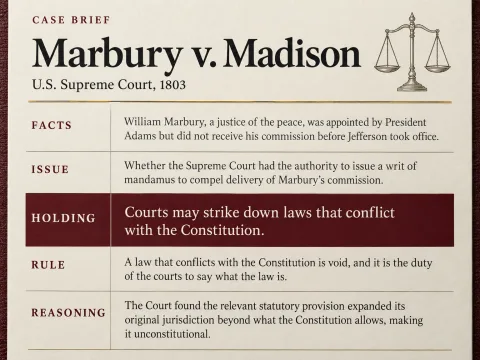 Case briefA court decision set out as facts, issue, holding, rule and reasoning.
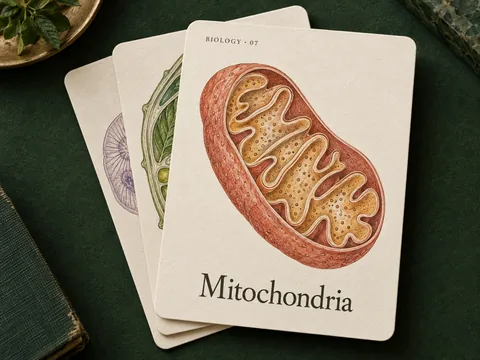 20 flashcardsTwenty recall cards on the facts most worth remembering.
Learn deeply. Build to understand.
A learning space to study with AI. Bring your materials, ask anything, and make what helps it stick.
Free to start · No credit card needed