The blurting method, with the marking done for you
Close your notes and write everything you remember about a topic. Winda checks it against your material and shows what you got right, what you got wrong and what you left out.
Free to start · No credit card needed
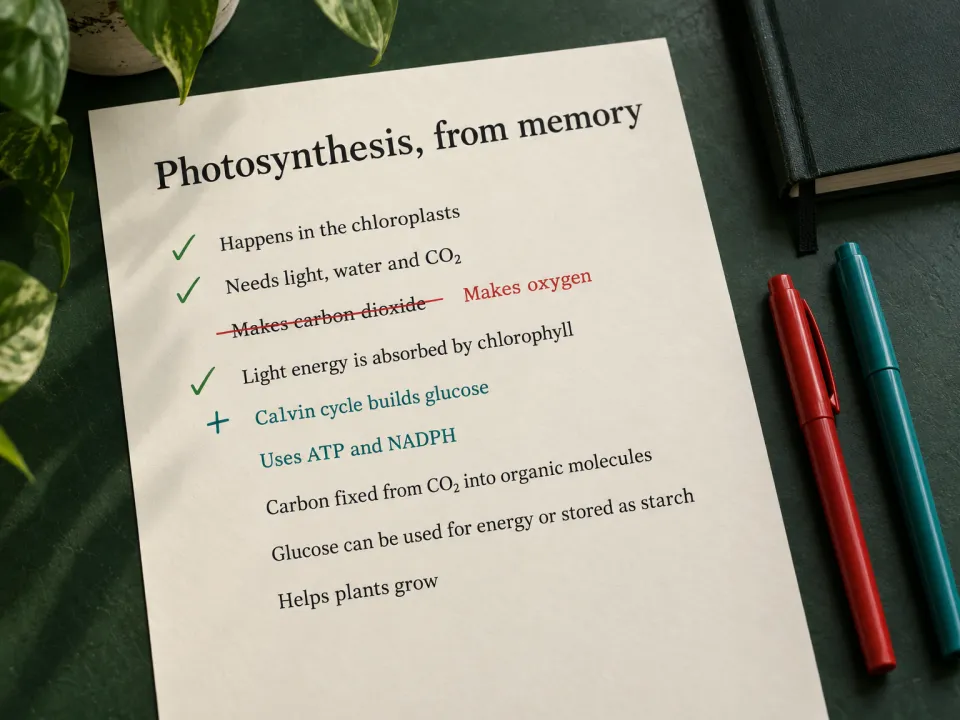
What you get
- What you got right
- Each correct point in one short line.
- What is wrong or mixed up
- What you wrote, the correct statement, and the reason in a sentence.
- What is missing
- The points you left out, in the order of the material, each stated in full so you can learn it from the page.
- Questions for the next attempt
- Three to five questions on the wrong and the missing points, to answer from memory next time.
What the blurting method is
Blurting is a revision method with three steps. Read a topic. Close the book and write down everything you remember, fast and in any order. Then open the book and compare: mark what you got wrong and add what you missed, in another color. Repeat on a later day until little is left to add.
It is a form of retrieval practice. The effort to pull facts out of memory makes them easier to pull out the next time, more than reading them again does. The page you write also shows you exactly where the gaps are, so you stop studying what you know.
The slow part is the comparison. You must read your blurt against the source line by line, and it is easy to miss an error that looks right. Here that step is done for you. Do the writing yourself, without help and without your notes: the method works only if the recall is yours.
How it works
Say what it is about
Name a topic, or add a PDF, a lecture video, an article or your own notes. With files, the result is written from them.
Winda makes it
The template sets the form, so you do not write a prompt. You choose the model that does the work: Claude, GPT, Gemini and others.
Keep it and change it
The result is saved in your project beside your files and chats. Ask for a change in the chat, or make flashcards and a quiz from the same material.
Questions
Everything you remember about the topic, in any order. Do not look at your notes and do not care about style. Half sentences and lists are fine.
Against the file you name, when you add your notes, slides or textbook chapter to the project. Without a file it is checked against general knowledge of the topic, and the reply says so.
Do it again after a day or two, and again after a week. Each time, answer the questions from the last check first. Stop when the missing list is short.
More templates
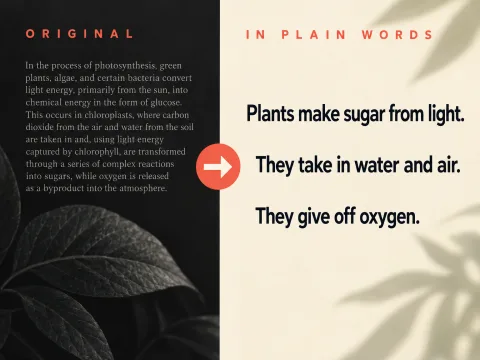 Plain rewriteA hard passage in short sentences and common words, with its terms explained.
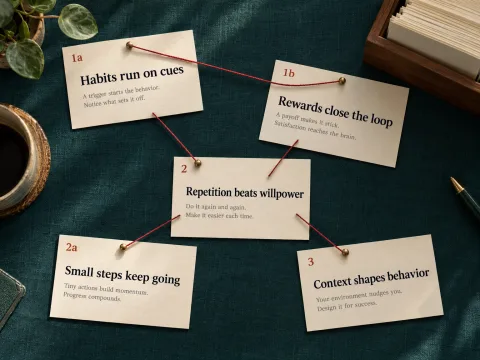 Zettelkasten notesOne source turned into atomic notes of one idea each, with links between them.
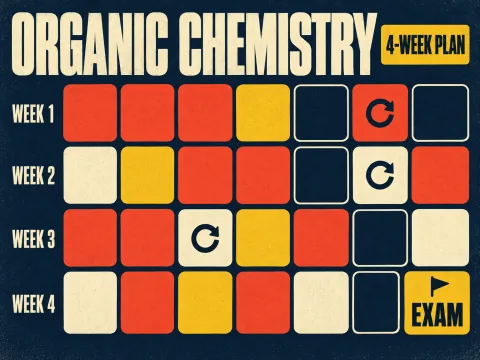 Study planWhat to study each week or day before an exam, with spaced reviews and self-tests.
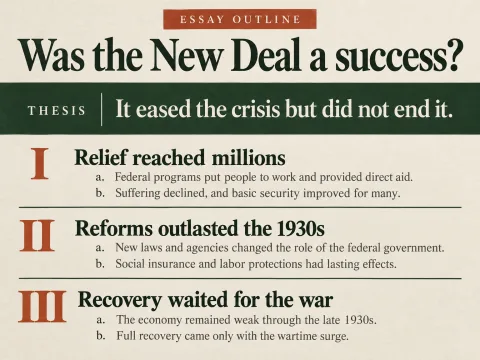 Essay outlineA thesis, the points that support it in order, the evidence for each and the strongest objection.
Learn deeply. Create freely.
A learning space to read, chat and create.
Free to start · No credit card needed