Zettelkasten notes from what you read
Name an article, a chapter or a lecture. Winda writes a literature note on it and six to twelve permanent notes: one idea each, in plain words, linked to the notes they relate to.
Free to start · No credit card needed
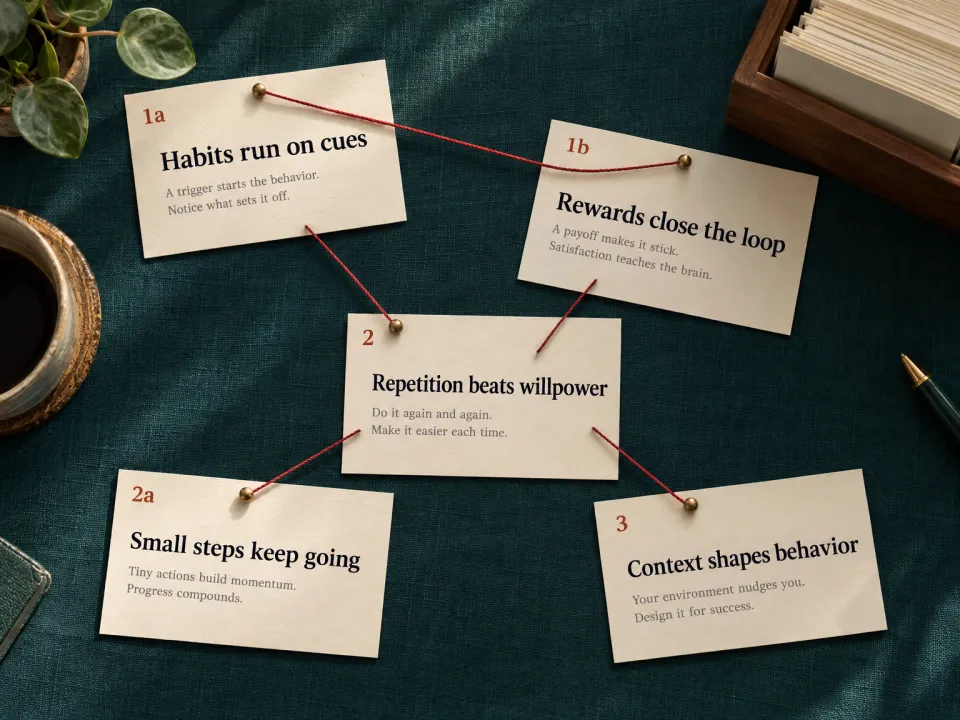
What you get
- A literature note
- The source in one line and its main points in five to eight short lines.
- Permanent notes
- Six to twelve notes. Each has a claim as its heading and three to six sentences: the idea, the reason and an example.
- Links
- Under each note, the one to three notes it relates to, and how: supports, contradicts, is an example of, leads to.
- Open questions
- Two or three questions the notes raise and do not answer, as places for your own next notes.
What the Zettelkasten method is
Zettelkasten is German for “slip box”. The method is best known from the sociologist Niklas Luhmann, who kept about 90,000 paper slips over his working life and credited the box for much of his output of books and articles. Each slip held one idea, and each pointed to other slips.
Three rules carry the method. A note holds one idea, so it can be used in more than one place. A note is written in your own words and can be understood alone, without the source open. A note links to other notes, and the link says what the relation is. Over time, the links matter more than the notes, because they show which ideas meet.
People stop using the method because the first step is slow. It takes time to break a chapter into atomic notes. This template does that first pass. The notes it writes are a draft of your box. Rewrite the ones you keep in your own words, delete the rest, and add links to notes you already have. That part is the thinking, and nobody can do it for you.
How it works
Say what it is about
Name a topic, or add a PDF, a lecture video, an article or your own notes. With files, the result is written from them.
Winda makes it
The template sets the form, so you do not write a prompt. You choose the model that does the work: Claude, GPT, Gemini and others.
Keep it and change it
The result is saved in your project beside your files and chats. Ask for a change in the chat, or make flashcards and a quiz from the same material.
Questions
No. The notes are a document in your Winda project. You can also copy them as Markdown into Obsidian, Logseq or any other app you keep your box in.
A literature note says what one source says. A permanent note states one idea so that it stands without the source and can link to ideas from other sources.
Yes. Add the PDF, the article or the YouTube lecture to a project and name it. The notes hold only claims that the source makes.
More templates
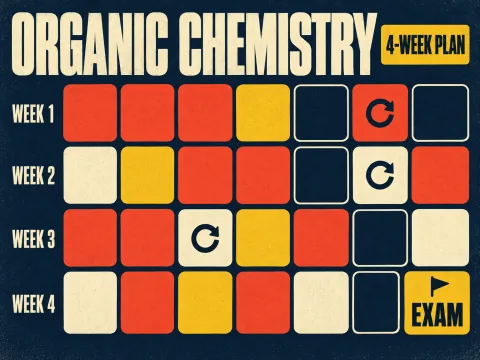 Study planWhat to study each week or day before an exam, with spaced reviews and self-tests.
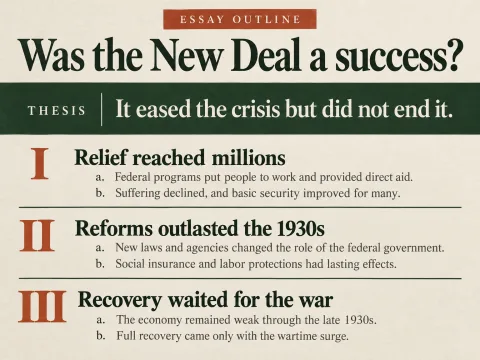 Essay outlineA thesis, the points that support it in order, the evidence for each and the strongest objection.
 Character analysisWhat one character wants, how they act, how they change and what they stand for in the work.
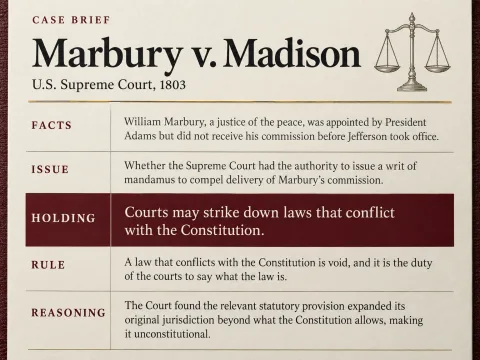 Case briefA court decision set out as facts, issue, holding, rule and reasoning.
Learn deeply. Create freely.
A learning space to read, chat and create.
Free to start · No credit card needed