Cause and effect diagram
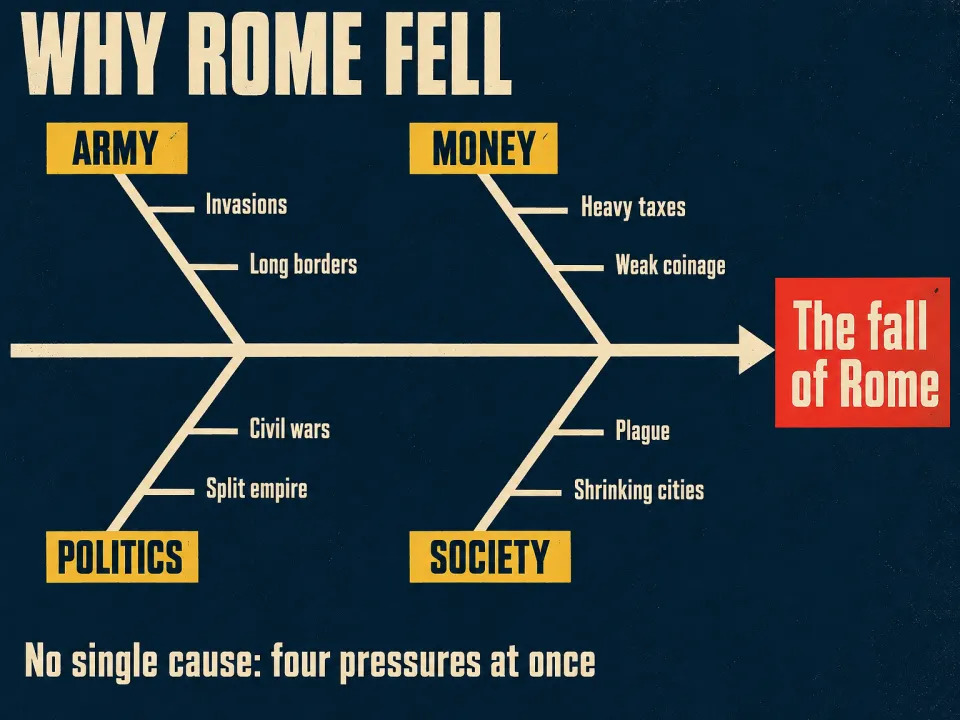
Name something that happened or a result you want to explain. Winda sorts its causes into four groups and draws them as a fishbone diagram that leads to the effect.
Free to start · No credit card needed
What you get
- The effect at the head
- The event or result to explain, at the end of the spine.
- Four groups of causes
- Each group on its own bone, with a heading, so causes of one kind stay together.
- Two causes in each group
- The ones that matter most, in a few words each.
What a fishbone diagram is
A fishbone diagram sets one effect at the head of a spine and its causes on bones that run into the spine, grouped by kind. Kaoru Ishikawa made it known in the 1960s as a tool for finding the causes of quality problems, so it is also called an Ishikawa diagram.
For study, it suits any question that begins with why: why an empire fell, why a market failed, why a reaction slows down. The grouping is the point. It makes you sort the causes into kinds, and you see at once when you know many causes of one kind and none of another.
This template is for understanding a subject. It does not run a root-cause analysis for your team.
How it works
Say what it is about
Name a topic, or add a PDF, a lecture video, an article or your own notes. With files, the result is written from them.
Winda makes it
The template sets the form, so you do not write a prompt. You choose the model that does the work: Claude, GPT, Gemini and others.
Keep it and change it
The result is saved in your project beside your files and chats. Ask for a change in the chat, or make flashcards and a quiz from the same material.
Questions
No. The result is a picture, not an editable canvas. To change it, say what to change in the chat, and Winda draws it again from the first one.
Not always. Winda decides the words before it draws and lists them in its reply, so you can check the picture against them. When a word comes out wrong, ask for the picture again.
From the material you add to the project, when you name a file. Without a file they come from general knowledge, and Winda says so in its reply.
More templates
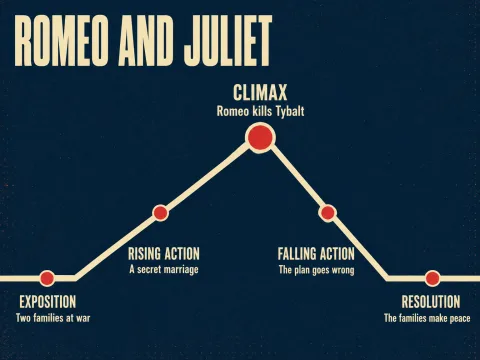 Plot diagramA story's exposition, rising action, climax, falling action and resolution on one line.
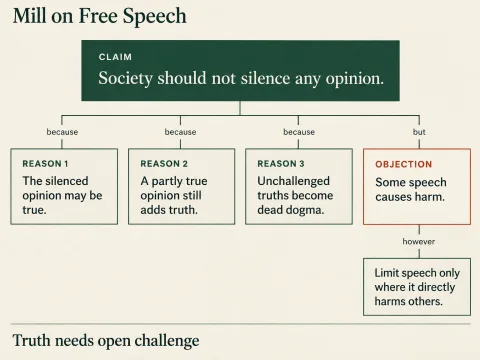 Argument mapOne claim, the reasons under it, the strongest objection and the reply.
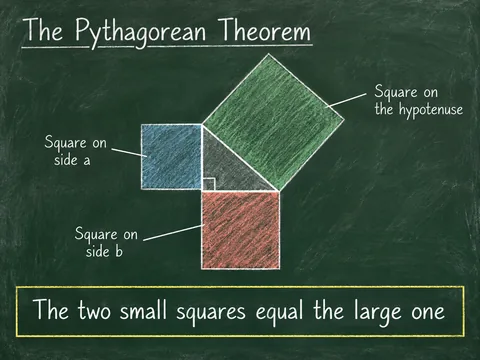 ChalkboardOne idea taught on a chalkboard: a drawing, a few notes and a takeaway.
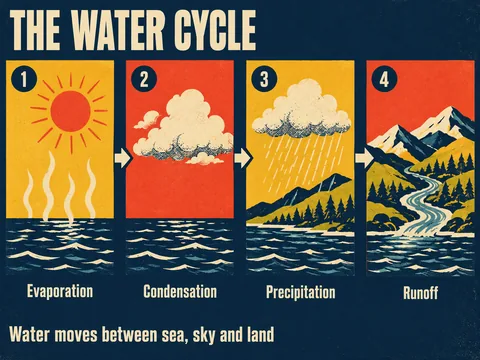 Flow chartA process in four panels, each showing what changes in that step.
Learn deeply. Create freely.
A learning space to read, chat and create.
Free to start · No credit card needed