Case brief maker for law students
Add the opinion or name the case. Winda writes the brief: the facts that mattered, the procedural history, the issue, the holding, the rule and the court's reasoning step by step.
Free to start · No credit card needed
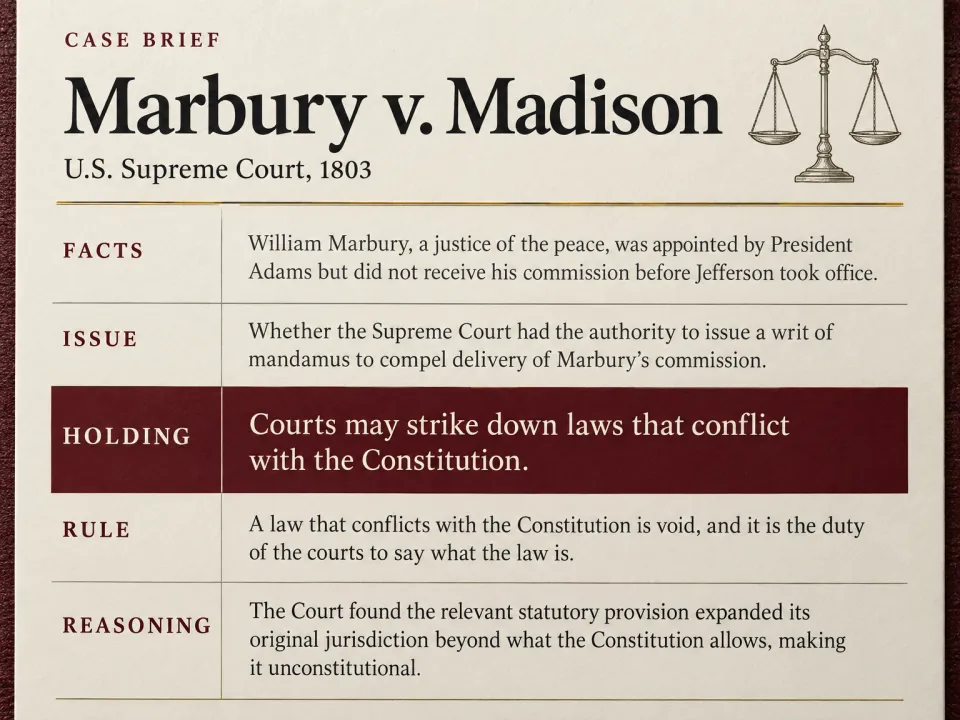
What you get
- Facts and procedural history
- The facts that mattered to the result, and how the case came to this court.
- Issue and holding
- The legal question as one question with a yes or no answer, and the court's answer in one sentence.
- Rule
- The rule of law the case stands for, stated so it can be applied to other facts.
- Reasoning
- The steps of the court's argument in order, and the main point of any concurrence or dissent.
- Why it matters
- Two lines on where the case sits in its area of law.
What a case brief is for
A case brief is a one-page summary of a judicial opinion in fixed parts. Law students write one for each assigned case, for two uses: to answer when called on in class, and to build the outline they study from before the exam. The usual parts are the facts, the procedural history, the issue, the holding, the rule and the reasoning.
The hard parts are the issue and the rule. An opinion can run to forty pages and never state its issue in one sentence. To write it as a question with a yes or no answer, you must decide which facts mattered. To state the rule so that it applies to other facts, you must separate what the court decided from what it only said along the way.
A brief written for you saves the time and skips that practice. Use it in one of two ways: read the opinion, write your own issue and holding, and compare; or read the brief first as a map and then read the opinion with it. Brief from the opinion itself. A brief made only from the case's name comes from general knowledge and may be wrong on details.
How it works
Say what it is about
Name a topic, or add a PDF, a lecture video, an article or your own notes. With files, the result is written from them.
Winda makes it
The template sets the form, so you do not write a prompt. You choose the model that does the work: Claude, GPT, Gemini and others.
Keep it and change it
The result is saved in your project beside your files and chats. Ask for a change in the chat, or make flashcards and a quiz from the same material.
Questions
Yes, when you can. Add it as a PDF or paste the text. The brief is then made from the opinion. From the case name alone it is made from general knowledge, and the brief says so at the top.
It has the same parts: facts, issue, rule, the court's analysis and the conclusion, which a brief calls the holding. If your course wants other headings, say so in your message.
No. It is a study aid for reading cases. It does not say how any real dispute would be decided.
More templates
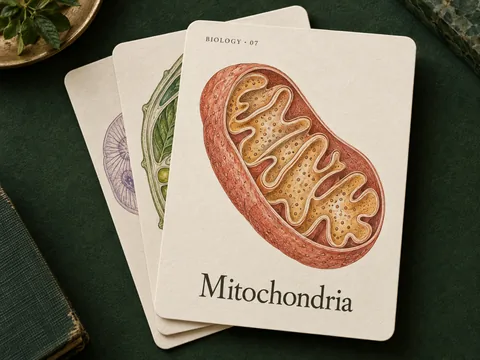 20 flashcardsTwenty recall cards on the facts most worth remembering.
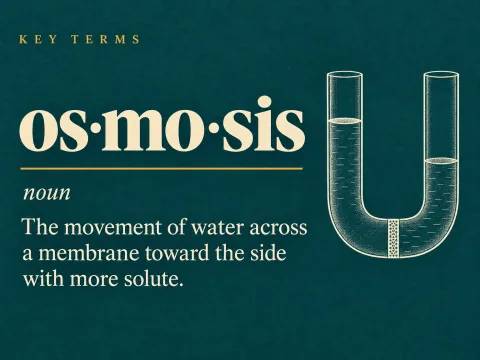 Key termsFlashcards on the vocabulary of a subject, each term asked two ways.
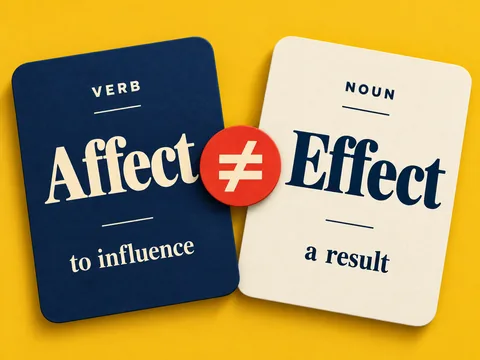 Mix-upsFlashcards on two concepts you confuse, where every card tells them apart.
 10-question quizTen multiple-choice questions, each with an explanation of the answer.
Learn deeply. Create freely.
A learning space to read, chat and create.
Free to start · No credit card needed