Reading notes on a book or an article
Name a book, or add the article or paper you are reading. Winda writes notes on it: the core ideas, how the argument is built from one to the next, and questions worth thinking about.
Free to start · No credit card needed
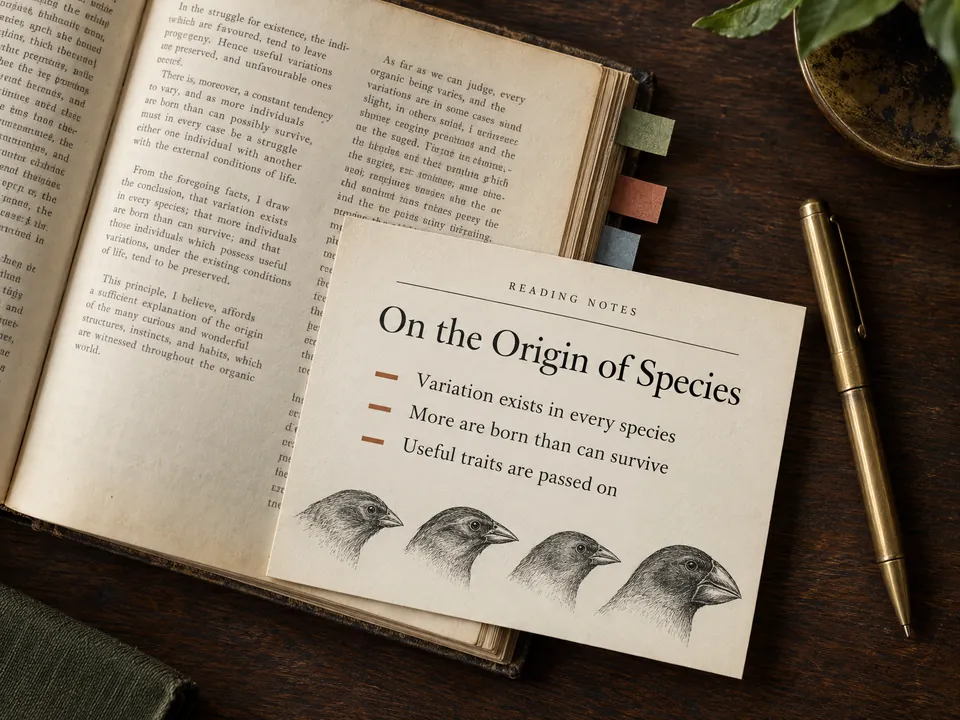
What you get
- Core ideas
- What the text claims, in a few plain statements.
- How the argument is built
- How each idea leads to the next, so you see the reasoning and not only the conclusions.
- Questions worth thinking about
- Questions the text raises or leaves open, to take into your own reading.
How it works
Say what it is about
Name a topic, or add a PDF, a lecture video, an article or your own notes. With files, the result is written from them.
Winda makes it
The template sets the form, so you do not write a prompt. You choose the model that does the work: Claude, GPT, Gemini and others.
Keep it and change it
The result is saved in your project beside your files and chats. Ask for a change in the chat, or make flashcards and a quiz from the same material.
Questions
It reads what you add to the project: a PDF, an article or pasted text. For a well-known book with no file, the notes are written from general knowledge, and they say so.
A summary says what the text covers. Reading notes follow the argument and end with questions, so they suit a text you want to think about and not only get through.
Yes. The notes are a document in your project, and you can edit them as you read.
More templates
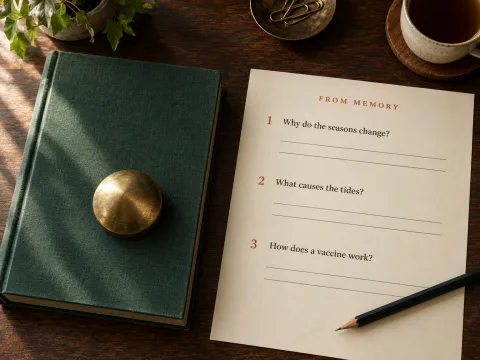 Recall questionsOpen questions to answer from memory, with the answers kept apart at the end.
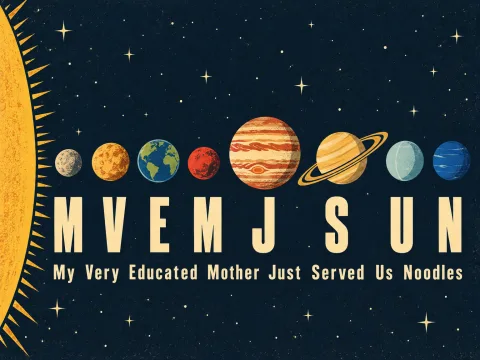 MnemonicsAn acronym, a sentence or a picture for facts you must know by heart.
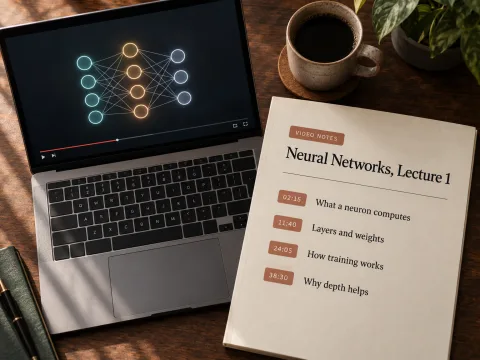 Video notesA video's sections in order, each linked to the moment it starts, with its points and terms.
 Explain like I'm 5One idea explained for a five-year-old, a high school student and a university student.
Learn deeply. Create freely.
A learning space to read, chat and create.
Free to start · No credit card needed