The Feynman technique: a hard idea, explained simply
Name an idea you find hard. Winda explains it in plain words, with one comparison from daily life, and then asks you to explain it back.
Free to start · No credit card needed
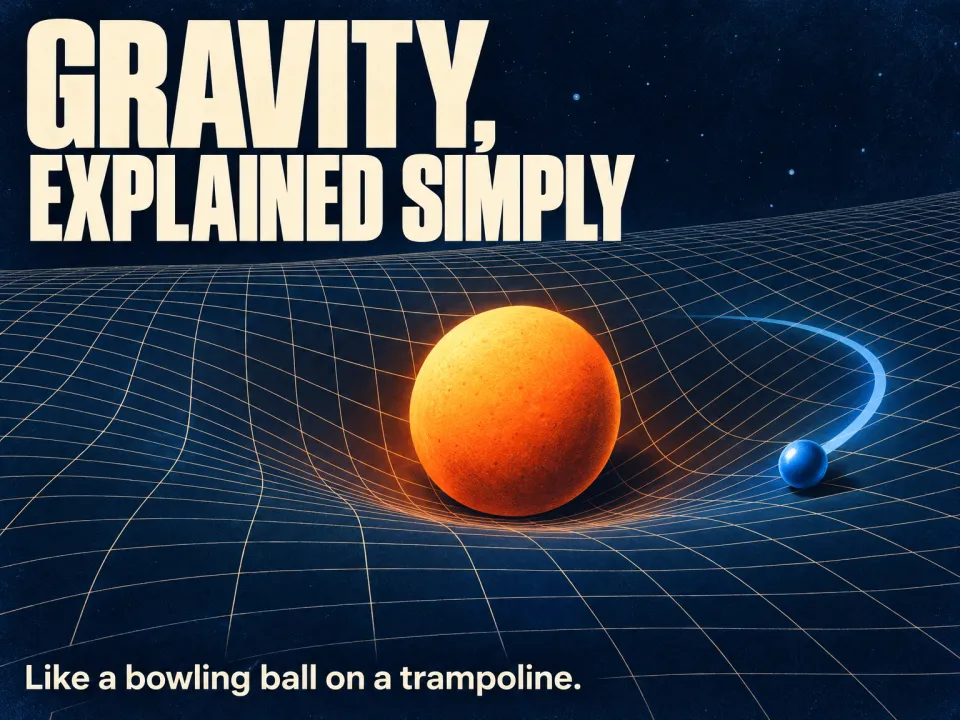
What you get
- The idea in one sentence
- The whole idea with no technical term in it.
- The explanation in plain words
- Short paragraphs in which each technical term is first said in everyday words and then named.
- One comparison, and its limit
- Something from daily life that works the same way, and the point where the comparison stops being true.
- Where people lose the thread
- The two or three places that usually confuse learners, each with the plain reason.
- Questions to explain it back
- Three questions you answer in your own words. If you cannot, you have found what to study next.
What the Feynman technique is
The Feynman technique is named after the physicist Richard Feynman, who was known for explaining hard physics in ordinary language. The technique has four steps: choose an idea, explain it as if to someone who has never studied the subject, find the places where your explanation breaks down, and go back to the source to repair them.
It works because a plain explanation hides nothing. Technical terms let you repeat a sentence without understanding it. When you must say the same thing in everyday words, you find out at once which parts you only memorized.
A simple explanation written for you is the second step done by someone else, so it is a model and not the exercise. Read it, close it, and explain the idea yourself, aloud or in writing. The questions at the end are there for that. Where you get stuck, ask Winda about that one point, or go back to your material.
How it works
Say what it is about
Name a topic, or add a PDF, a lecture video, an article or your own notes. With files, the result is written from them.
Winda makes it
The template sets the form, so you do not write a prompt. You choose the model that does the work: Claude, GPT, Gemini and others.
Keep it and change it
The result is saved in your project beside your files and chats. Ask for a change in the chat, or make flashcards and a quiz from the same material.
Questions
It is close, but the reader it writes for is a smart adult who is new to the subject. The words are plain and the content stays true: nothing is left out only to make it short. For an explanation at three levels of difficulty, use the Explain like I'm 5 template.
Yes. Add the file to a project and name the idea or quote the passage. The explanation is written from that material, so it uses your course's terms.
Any subject where an idea can be understood and not only memorized: physics, statistics, economics, programming, law, medicine, philosophy.
More templates
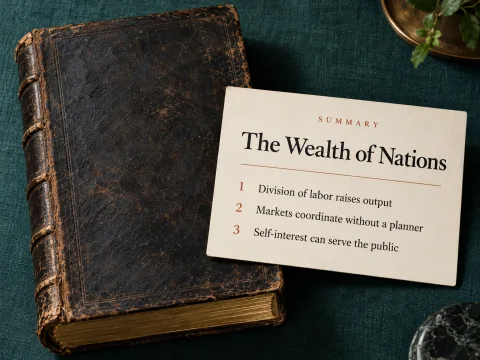 SummaryWhat a text, lecture or video says in one paragraph, its key points, and what to take from it.
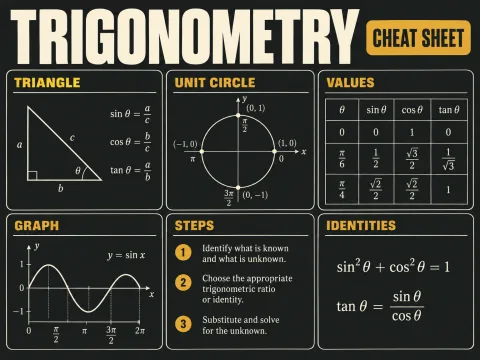 Cheat sheetThe formulas, definitions, rules and steps of one topic on a single page.
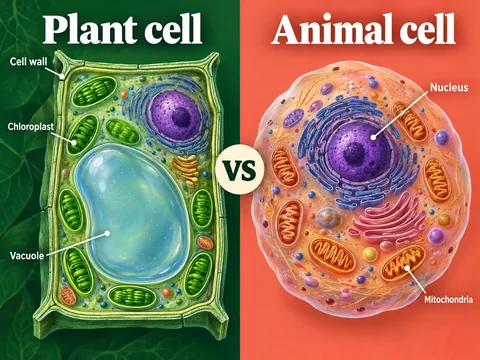 ComparisonTwo concepts in one table, and the points people confuse most.
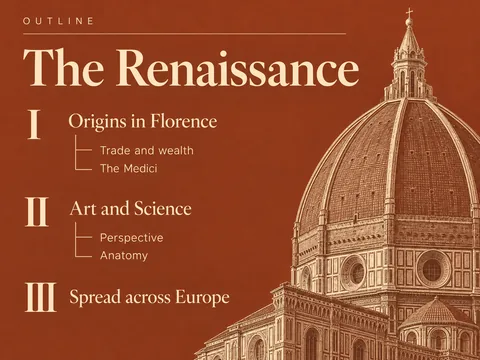 OutlineA review outline for an exam: the points in layers, a line each.
Learn deeply. Create freely.
A learning space to read, chat and create.
Free to start · No credit card needed